Insights and Resources
Hardware Prices Are Rising Fast: What Business Owners Need to Know
Published 2026-07-01 by Mark Schilling · 5 min read
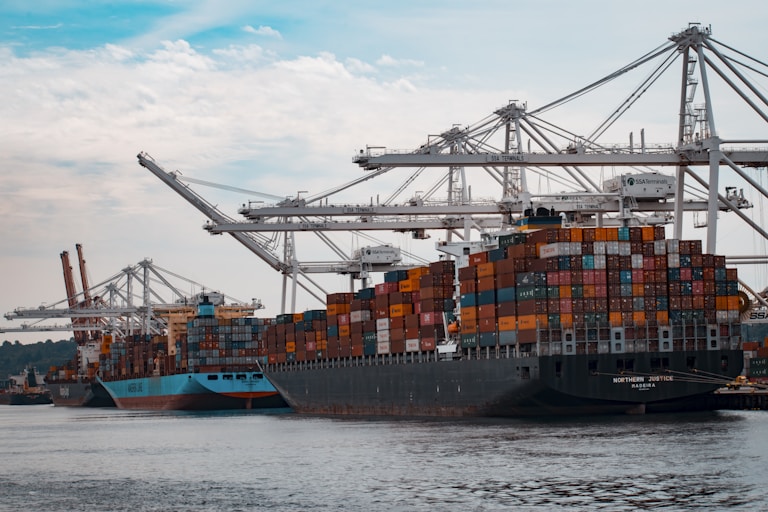
If you have been putting off a hardware purchase, this is your signal to stop waiting. Business hardware prices are rising faster than at any point in recent memory, and the increases are not slowing down. Industry analysts have started calling it "RAMageddon," and the name fits. What started as a gradual uptick in early 2026 has turned into one of the most significant cost shifts the technology industry has seen in years.
What Is Actually Happening to Hardware Prices Right Now?
The numbers are striking. Memory (RAM) prices rose roughly 90% in the first quarter of 2026 alone, with another significant jump already underway this quarter. Flash storage, the technology inside SSDs and NVMe drives, has nearly quadrupled in price over the past nine months. These are not rounding errors. They represent a structural shift in the cost of the components inside virtually every computer, server, and laptop your business relies on.
The major manufacturers are not absorbing these costs. They are passing them on:
- Apple raised prices on Macs and iPads by 20% or more on June 25, 2026. CEO Tim Cook called the increases "unavoidable."
- Microsoft has increased pricing on its hardware line, citing the same memory and storage cost surge.
- Dell, Lenovo, and HP have announced server price increases of around 15%. Dell is now warning buyers that placing an order today does not lock in current pricing for future delivery.
If you have received a hardware quote in the last few weeks, that price may already be out of date.
What Is Driving the Increase?
The root cause is the AI boom. Building and operating AI data centers requires enormous volumes of high-performance memory and storage. The largest technology companies and cloud providers are locking up supply through long-term contracts, often years in advance. That leaves significantly less available for everyone else, at significantly higher prices.
This is not a temporary spike caused by a factory fire or a shipping disruption. It is a structural supply shift. Industry analysts at Gartner expect overall PC prices to climb roughly 17% this year, and most manufacturers now say memory and storage costs will not normalize until 2028. That is not a short-term problem to wait out.
Which Business Hardware Is Most Affected?
The impact is not uniform. Hardware that relies heavily on RAM and storage sees the biggest price increases:
- Servers are among the hardest hit, since they are configured with large amounts of RAM and high-capacity storage by design.
- Workstations for engineering, design, accounting, and other memory-intensive roles are seeing steep increases.
- Business laptops at the mid-to-high end are more expensive, particularly models with 16GB or more of RAM.
- Basic desktops and entry-level laptops are less affected but are not immune.
If your business has been running on aging hardware and a refresh is overdue, the cost of waiting is now measurable in real dollars.
What Should Northwest Indiana Businesses Do Right Now?
The practical guidance is straightforward, even if the situation is frustrating.
Move planned purchases forward if you can
If you have hardware purchases on your roadmap for later this year, whether servers, workstations, computers, or laptops, the case for moving sooner is strong. Waiting is very likely to mean paying more. The price trajectory is upward, and there is no credible forecast for a near-term reversal.
Treat quotes as short-lived
Hardware quotes are carrying shorter validity periods than they used to. A quote that was accurate two weeks ago may no longer reflect current pricing. Request quotes close to when you actually intend to buy, and confirm pricing with your IT provider before placing any order that was quoted more than a couple of weeks old.
Prioritize your most critical hardware first
If budget is limited, focus on hardware that poses the greatest risk if it fails: servers, firewalls, and the workstations your most critical employees depend on. A planned refresh of aging equipment is far less disruptive and expensive than an emergency replacement after a failure.
Consider Hardware-as-a-Service
For businesses that want to avoid large capital outlays during a period of elevated prices, Hardware-as-a-Service (HaaS) is worth a conversation. Rather than purchasing equipment outright, HaaS spreads costs over time on a predictable monthly basis and ensures you always have current hardware. It also removes the risk of a large one-time purchase at a price peak. Our managed IT services include HaaS options for businesses that want this kind of flexibility.
How Does This Affect Your IT Budget Planning?
If you have a hardware refresh in your budget for 2026 or 2027, the numbers you planned around may already be stale. This is a good time to revisit your IT roadmap with a current-cost lens. The businesses that navigate this environment best are the ones with a proactive view of their hardware lifecycle, not the ones reacting to failures and emergency purchases.
At Schilling IT, we help Northwest Indiana and Chicago metro businesses build 3-year IT roadmaps that account for hardware refresh cycles, software licensing changes, and infrastructure investments. If you want a current read on where your hardware stands and what it will cost to keep it current, we are happy to take a look. Reach out here or schedule a call directly.
Frequently Asked Questions
Why are hardware prices rising so fast in 2026?
The primary driver is demand from AI data centers. Large technology companies and cloud providers are purchasing memory and storage in massive volumes through long-term contracts, reducing supply available to everyone else. This has pushed RAM prices up roughly 90% in a single quarter and nearly quadrupled flash storage costs over nine months. Most analysts expect elevated pricing to persist through at least 2028.
Should I wait to buy hardware and hope prices come down?
Based on current forecasts, waiting is likely to cost more, not less. Gartner projects overall PC prices will rise about 17% this year, and manufacturers are not signaling a near-term reversal. If you have a hardware purchase planned, moving sooner is the lower-risk choice. The exception would be non-urgent purchases where you can genuinely wait until 2028 or beyond.
Are cloud services and Microsoft 365 affected by these price increases?
Cloud services and software subscriptions like Microsoft 365 are not directly tied to hardware component costs, so they are not immediately affected. However, the underlying infrastructure costs for cloud providers may eventually be reflected in pricing adjustments over time. For now, shifting workloads to the cloud can actually reduce your exposure to hardware price increases by reducing the number of high-spec physical machines you need.
How quickly do hardware quotes expire right now?
Much faster than they used to. Dell has explicitly warned that orders placed today do not lock in current pricing for future delivery. As a general rule, treat any hardware quote more than two weeks old as potentially out of date and confirm current pricing before ordering.
How can Schilling IT help my business navigate this?
We help businesses across Northwest Indiana and the Chicago metro plan hardware purchases strategically, identify the most critical refresh needs, and evaluate options like HaaS that reduce capital exposure. If you want a current assessment of your hardware lifecycle and what it will cost to keep your systems current, contact us here and we will put together a clear picture for you.