Insights and Resources
A New Tariff in Town: Navigating Rising Costs in Computer and Network Hardware
Published 2025-09-26 by Joshua Smith · 3 min read
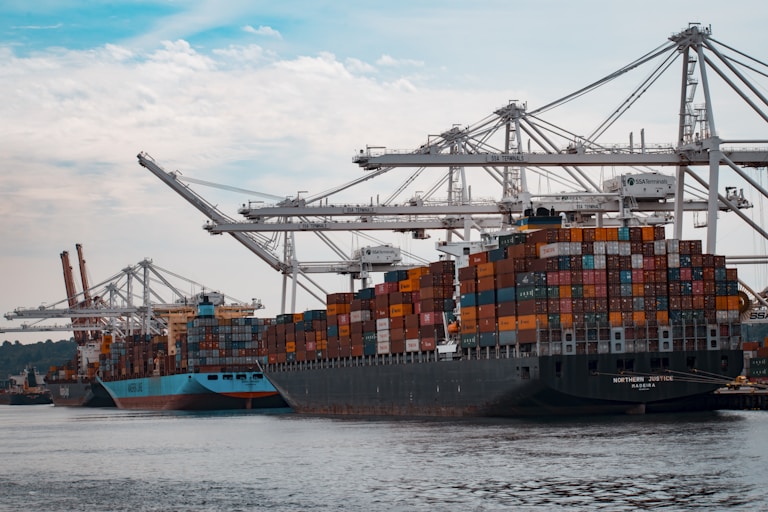
How Tariffs Are Affecting IT Equipment Costs
Tariffs on computer hardware, networking equipment, and electronic components imported from key manufacturing countries have created a new layer of cost pressure for businesses planning technology refreshes. For businesses in Northwest Indiana and the Chicago area that rely on regular hardware upgrades - servers, workstations, switches, firewalls - understanding how to navigate these cost increases is now a strategic priority.
The tariffs primarily affect hardware manufactured in countries subject to trade restrictions, which includes a significant portion of the networking and server equipment sold in the U.S. market. Brands like Cisco, HP, Dell, and Lenovo have all signaled price increases tied to tariff-related supply chain costs. For a business replacing 20 workstations and a server, the difference can easily reach $5,000–$15,000 compared to pre-tariff pricing.
Strategies to Manage Rising Hardware Costs
The most effective response is not to simply absorb the cost increases, but to rethink your hardware strategy. Here are the approaches Schilling IT recommends for Northwest Indiana businesses:
Extend hardware lifecycles strategically. Not every device needs to be replaced on a fixed schedule. A well-maintained workstation running Windows 11 with an SSD upgrade can often serve another 2–3 years beyond its original refresh date. Schilling IT's managed IT services include proactive hardware health monitoring so you know exactly which devices are at risk and which can safely be extended.
Shift from capital expenditure to operating expenditure. Hardware-as-a-Service (HaaS) models allow businesses to lease devices on a monthly basis, spreading costs over time and eliminating large upfront purchases. This also ensures you always have current hardware without a large capital outlay during a period of elevated prices.
Accelerate the shift to cloud and virtual desktops. Every workload you move to the cloud reduces your dependency on physical hardware. Microsoft 365, cloud-hosted applications, and Azure Virtual Desktop can significantly reduce the number of high-spec workstations your business needs to maintain. Schilling IT's cloud services help businesses make this transition efficiently.
Evaluate alternative vendors and refurbished equipment. For non-critical workloads, certified refurbished equipment from reputable vendors can deliver significant savings with minimal risk. Schilling IT vets refurbished hardware options for clients when appropriate.
The Cybersecurity Angle
One risk of tariff-driven cost pressure is that businesses delay security-critical hardware refreshes - particularly firewall and network equipment replacements. Outdated firewalls and switches that no longer receive security updates are a significant vulnerability. Schilling IT's cybersecurity services include network security assessments that identify which aging hardware poses the greatest risk, so you can prioritize your limited hardware budget on the devices that matter most for security.
Planning Your IT Budget in a Tariff Environment
The businesses that navigate this environment best are those with a proactive IT roadmap - a 3-year view of hardware refresh needs, software licensing changes, and infrastructure investments. Schilling IT provides IT roadmap planning as part of our managed IT services, giving Northwest Indiana business leaders the visibility they need to make smart budget decisions even when external costs are unpredictable.
Ready to build a hardware strategy that accounts for today's cost environment? Schedule a consultation with Mark Schilling to review your IT roadmap and identify where you can save without compromising reliability or security.
Frequently Asked Questions
Which IT hardware categories are most affected by current tariffs?
Networking equipment (routers, switches, firewalls), servers, and workstations are the most significantly affected categories, as a large proportion of these products are manufactured in tariff-affected countries. Peripherals, monitors, and accessories have also seen price increases but typically to a lesser degree.
Should I delay my hardware refresh because of tariff uncertainty?
In most cases, no. Delaying a hardware refresh to wait for tariff resolution carries its own risks: aging hardware is more likely to fail, may no longer receive security updates, and reduces employee productivity. The better strategy is to work with your IT provider to prioritize the most critical refreshes, extend the lifecycle of lower-risk devices, and explore HaaS or cloud alternatives to reduce capital exposure.
How do tariffs affect cloud services and software licensing?
Cloud services and software licensing (including Microsoft 365) are generally not directly affected by hardware tariffs, as they are delivered digitally. However, the underlying infrastructure costs for cloud providers may increase over time, which could be reflected in future pricing adjustments.
What is Hardware-as-a-Service (HaaS) and is it right for my business?
HaaS is a model where you lease business-grade hardware on a monthly subscription basis rather than purchasing it outright. Benefits include predictable monthly costs, regular hardware refreshes, and the elimination of large capital expenditures. It is particularly well-suited for businesses that want to avoid large upfront costs during a period of elevated hardware prices. Schilling IT offers HaaS options as part of our managed IT services.
How does Schilling IT help Northwest Indiana businesses manage IT costs in a tariff environment?
We provide IT roadmap planning, hardware lifecycle management, HaaS options, and cloud migration guidance that help businesses make smart technology investments regardless of external cost pressures. Our strategic business reviews include a forward-looking budget analysis so you are never surprised by a large hardware expense. Learn more about our managed IT approach.